Knee pain can make even simple daily activities difficult. Walking, climbing stairs, getting up from a chair, exercising or standing for extended periods may become uncomfortable when the knee joint is affected.
It can occur in young adults, physically active individuals, working professionals and older people. While some cases develop following a sudden injury, others appear gradually due to joint wear, muscle weakness, inflammation or changes in the structures supporting the knee.
For some people, knee discomfort settles with appropriate activity modification and treatment. For others, recurring pain, swelling or stiffness may indicate an underlying condition that requires medical evaluation.
Ignoring persistent knee pain or continuing strenuous activity despite worsening symptoms can sometimes aggravate the problem. Identifying the cause early helps doctors recommend appropriate treatment and rehabilitation.
For residents of Panvel and nearby areas of Navi Mumbai and Raigad, understanding the causes and available treatment options can help them make informed decisions about their joint health.
This guide explains common causes of knee pain, symptoms that require attention, diagnostic methods and treatment options ranging from physiotherapy to surgical intervention.
1. Understanding the Knee Joint
The knee is one of the largest and most complex joints in the human body. It connects the thigh bone (femur) to the shin bone (tibia), while the kneecap (patella) protects the front of the joint.
Several structures work together to support knee movement and stability:
- Bones: The femur, tibia and patella form the main bony structures.
- Cartilage: Articular cartilage provides a smooth surface that helps bones move against each other.
- Menisci: Two crescent-shaped pieces of cartilage help distribute load and absorb shock.
- Ligaments: The anterior cruciate ligament (ACL), posterior cruciate ligament (PCL), medial collateral ligament (MCL) and lateral collateral ligament (LCL) help stabilise the knee.
- Tendons: These connect muscles to bones and help produce movement.
- Muscles: The quadriceps, hamstrings and surrounding muscles support movement and stability.
Pain can develop when any of these structures becomes injured, inflamed, irritated or affected by degenerative changes.
The location of the pain, how it started and which movements aggravate it can provide useful clues about the underlying condition.
2. Common Causes of Knee Pain
Knee pain can develop for several reasons. Some conditions are associated with injuries, while others are linked to ageing, repetitive loading or changes in joint structure.
A. Knee Osteoarthritis
Osteoarthritis is a common cause of knee pain, particularly among older adults.
It is a degenerative joint condition involving changes in the cartilage and other joint structures. As the condition progresses, the joint may become painful, stiff and less mobile.
Common symptoms include:
- Pain while walking or climbing stairs
- Stiffness after sitting or resting
- Swelling around the knee
- Difficulty standing for long periods
- Reduced ability to bend or straighten the knee
- Discomfort that may increase with activity
Symptoms and progression vary between individuals. Not everyone with changes on an X-ray experiences significant pain.
B. Ligament Injuries
Ligaments connect bones and help stabilise the knee. Sudden twisting, awkward landings, direct impact or sports-related injuries may damage these structures.
The ACL is particularly vulnerable during activities involving sudden changes in direction, jumping or pivoting.
Ligament injuries may cause:
- Sudden pain
- Swelling
- A popping sensation at the time of injury
- A feeling that the knee may give way
- Difficulty bearing weight
- Reduced confidence during movement
The severity of an injury varies. Some ligament injuries can be managed with rehabilitation, while others may require surgical assessment.
C. Meniscus Tears
The menisci are shock-absorbing structures located between the thigh bone and shin bone.
A meniscus tear may occur following a twisting injury, particularly during sports or physical activity. It may also develop gradually due to age-related changes.
Possible symptoms include:
- Pain along the joint line
- Swelling
- Stiffness
- Difficulty squatting or twisting
- Catching or locking sensations
- Restricted knee movement
Treatment depends on the location, pattern and severity of the tear, as well as the patient's age, activity level and other joint conditions.
D. Patellofemoral Pain Syndrome
The patella, or kneecap, moves within a groove at the lower end of the thigh bone.
Pain around or behind the kneecap may occur when the joint is exposed to repeated loading or when surrounding muscle function and movement patterns contribute to irritation.
Symptoms may include:
- Pain while climbing or descending stairs
- Discomfort during squatting
- Pain after sitting for long periods with the knees bent
- Discomfort during running or jumping
A clinical assessment helps distinguish this condition from cartilage injuries, osteoarthritis and other causes of pain around the kneecap.
E. Tendon Injuries
The quadriceps and patellar tendons help straighten the knee.
Repeated jumping, running and sudden increases in exercise intensity may contribute to tendon irritation or injury.
Pain is often felt around the front of the knee and may become more noticeable during activities involving jumping, squatting or climbing stairs.
F. Bursitis
Bursae are small fluid-filled sacs that help reduce friction between tissues around joints.
Inflammation of a bursa near the knee can cause localised pain and swelling.
Symptoms may include tenderness, warmth and discomfort while kneeling or bending the knee.
G. Rheumatoid Arthritis and Other Inflammatory Conditions
Rheumatoid arthritis is an autoimmune condition that can affect the lining of joints.
It may cause pain, swelling, warmth and stiffness, sometimes affecting both knees and other joints.
Morning stiffness and symptoms involving multiple joints may provide clues, although diagnosis requires medical assessment.
Other inflammatory or infectious conditions can also affect the knee.
H. Sports and Overuse Injuries
People who participate in running, cycling, gym training, football, cricket and other sports may experience knee pain due to repetitive loading or sudden injury.
Common contributing factors include:
- Increasing exercise intensity too quickly
- Inadequate recovery between sessions
- Poor movement control
- Muscle weakness
- Inappropriate training progression
- Previous injuries
A proper assessment can help identify the reason for recurring discomfort and guide a safe return to physical activity.
3. Symptoms of Knee Pain That Should Not Be Ignored
Knee pain can present in different ways depending on the underlying condition.
Common symptoms include:
- Pain around or behind the kneecap
- Swelling or stiffness
- Difficulty bending or straightening the knee
- Pain while climbing stairs
- Discomfort while standing or walking
- Clicking or grinding sensations
- A feeling that the knee may give way
- Locking or catching during movement
- Reduced walking distance or mobility
A clicking sound alone does not necessarily indicate a serious knee problem. However, clicking associated with pain, swelling or restricted movement should be evaluated.
Warning Signs Requiring Prompt Medical Attention
Seek urgent medical assessment if:
- The knee becomes severely swollen after an injury.
- You cannot bear weight or move the joint.
- The knee appears deformed after trauma.
- The joint becomes hot, red and very painful, particularly with fever.
- The knee locks and cannot be straightened.
- There is severe pain following a fall or accident.
A hot, swollen knee accompanied by fever may indicate joint infection, which requires urgent medical evaluation.
4. How Is Knee Pain Diagnosed?
Effective treatment begins with identifying the source of the pain.
An orthopaedic doctor may use a combination of medical history, physical examination and imaging investigations.
A. Medical History
The doctor may ask:
- When did the knee pain begin?
- Did it start suddenly or develop gradually?
- Was there a fall, twisting movement or sports injury?
- Is the pain felt in the front, back or sides of the knee?
- Does it increase while walking or climbing stairs?
- Is there swelling, locking or instability?
- Has the patient experienced previous knee injuries?
- What treatments have already been attempted?
These details help narrow down possible causes.
B. Physical Examination
The doctor may assess:
- Knee movement and flexibility
- Swelling and tenderness
- Joint stability
- Muscle strength
- Walking pattern
- Alignment of the lower limb
- Specific signs of ligament or meniscus injury
Different clinical tests may be used depending on the suspected condition.
C. X-Ray
An X-ray can help assess bone alignment, joint space, fractures and certain degenerative changes.
For suspected osteoarthritis, weight-bearing X-rays may provide useful information about the joint under load.
D. MRI Scan
MRI provides detailed images of soft tissues, including ligaments, menisci, tendons and cartilage.
It may be recommended when a ligament injury, meniscus tear or other internal knee problem is suspected.
MRI is not necessary for every patient with knee pain. The doctor decides whether it is likely to change the treatment plan.
E. Additional Investigations
Blood tests or joint fluid analysis may be recommended when an inflammatory condition, gout or infection is suspected.
The choice of investigation depends on the symptoms and examination findings.
5. Knee Pain Treatment Options
There is no single treatment that works for every type of knee pain.
The right approach depends on the underlying diagnosis, severity of symptoms, joint condition, activity requirements and overall health.
Many patients improve with non-surgical treatment.
A. Activity Modification
When knee pain is aggravated by repetitive loading, the doctor may recommend temporarily modifying activities.
This could involve reducing high-impact exercise, avoiding painful deep squats or adjusting sports training.
Complete inactivity is not appropriate for every knee condition. Suitable movement helps maintain joint function and muscle strength.
B. Medication
Depending on the diagnosis, doctors may recommend medication to manage pain or inflammation.
The choice must account for the patient's age, medical history, other medicines and possible side effects.
Patients should avoid taking painkillers for prolonged periods without medical advice.
C. Physiotherapy
Physiotherapy plays an important role in managing many knee conditions.
A customised programme may include:
- Quadriceps strengthening
- Hamstring strengthening
- Hip and gluteal muscle exercises
- Flexibility and mobility training
- Balance and coordination exercises
- Gait training
- Gradual return to functional activities
Improving the strength of the muscles around the knee and hip can help support joint movement and stability.
The programme should be based on the diagnosis. Exercises suitable for osteoarthritis may differ from those prescribed after an ACL injury or meniscus surgery.
D. Weight Management
Excess body weight can increase the mechanical load placed on the knee joints, particularly during walking, climbing stairs and other weight-bearing activities.
For people with knee osteoarthritis, appropriate weight management may help reduce joint stress and improve mobility.
Any weight-management plan should be realistic and consider the patient's general health and physical limitations.
E. Supportive Devices
Some patients may benefit from selected supportive devices, such as:
- Knee braces
- Walking aids
- Appropriate footwear
- Specialised supports for selected conditions
These should be chosen based on clinical requirements. A brace or support is not a substitute for proper diagnosis and rehabilitation.
F. Selected Injections and Other Procedures
In certain cases, doctors may consider injections or other interventions to manage symptoms.
The appropriate option depends on the diagnosis and evidence supporting its use. Patients should discuss expected benefits, limitations, costs and possible risks before proceeding.
Injections are not suitable for every knee condition and do not necessarily reverse structural joint damage.
6. When Is Knee Surgery Necessary?
Knee surgery may be considered when the underlying condition causes significant pain, instability or functional limitation and non-surgical treatment is insufficient or inappropriate.
The decision depends on the patient's symptoms, examination, imaging findings, activity requirements and overall health.
A. ACL Reconstruction
The anterior cruciate ligament helps stabilise the knee, particularly during twisting and pivoting movements.
For selected patients with significant ACL injuries, reconstruction surgery may be recommended.
It generally involves replacing the damaged ligament with a graft. Rehabilitation is an essential part of recovery.
Not every ACL injury requires surgery. Some patients can be managed with structured rehabilitation, depending on their stability, symptoms and activity goals.
B. Meniscus Surgery
Selected meniscus tears may require arthroscopic treatment.
Depending on the tear pattern and tissue condition, the surgeon may consider:
- Meniscus repair
- Partial meniscectomy, involving removal of the damaged portion
- Other approaches based on the injury
Preserving meniscal tissue is generally an important consideration whenever clinically appropriate.
C. Knee Arthroscopy
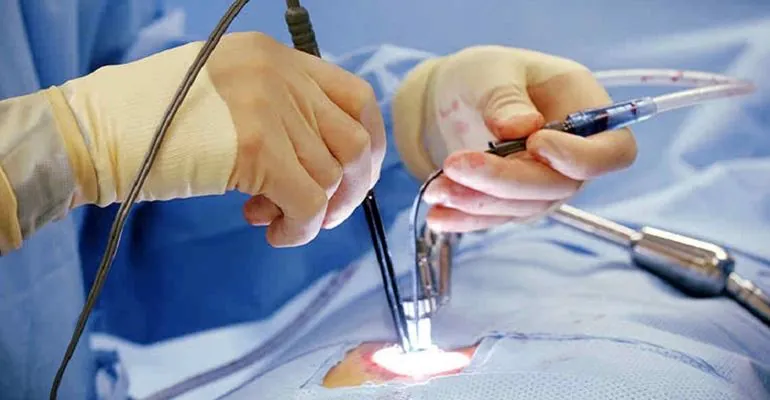
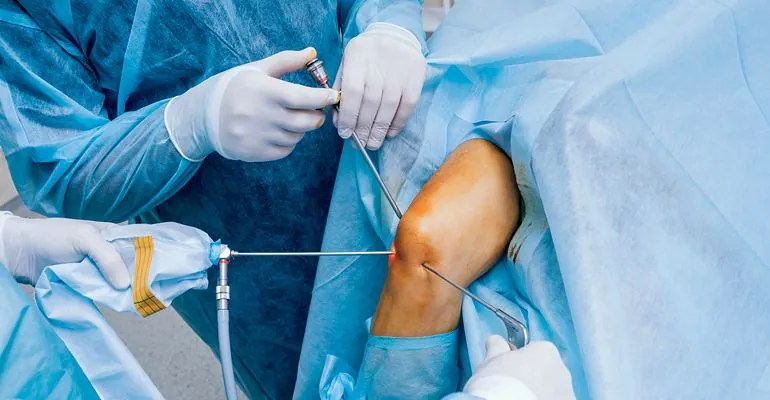
Knee arthroscopy is a procedure in which a small camera and specialised instruments are inserted through small incisions to assess and treat selected problems inside the joint.
It may be used for specific conditions such as certain meniscus tears, loose bodies and other suitable internal joint problems.
Arthroscopy is not automatically beneficial for every person with knee pain or osteoarthritis. The expected benefits depend on the actual diagnosis.
D. Knee Replacement Surgery
For some people with advanced knee osteoarthritis, the joint becomes severely damaged and everyday activities may become difficult despite appropriate non-surgical treatment.
Knee replacement surgery may be considered when:
- Pain is persistent and significantly affects daily life.
- Walking distance is substantially reduced.
- Joint stiffness interferes with movement.
- Imaging and clinical findings indicate advanced joint damage.
- Appropriate non-surgical treatment has not provided sufficient relief.
During knee replacement, damaged joint surfaces are replaced with artificial components designed to restore joint function.
The decision is individualised and should include a discussion of surgical risks, expected recovery and rehabilitation requirements.
7. Recovery and Rehabilitation After Knee Treatment
Recovery depends on the underlying condition and the treatment performed.
A patient receiving physiotherapy for knee pain will have a different recovery pathway from someone undergoing ACL reconstruction or knee replacement.
Stage 1: Managing Pain and Swelling
The initial focus is on controlling symptoms, protecting the affected structures and following the treating doctor's activity instructions.
After surgery, wound care and monitoring for complications are also important.
Stage 2: Restoring Movement
Once permitted, exercises may help restore knee bending and straightening.
The aim is to improve mobility without placing excessive stress on healing tissues.
Stage 3: Building Strength
Progressive strengthening may focus on the quadriceps, hamstrings, hip muscles and other supporting structures.
Exercise intensity should increase gradually according to the patient's progress.
Stage 4: Improving Balance and Function
Balance, coordination and walking exercises help patients regain confidence in daily activities.
Depending on the treatment, this may include practising stair climbing, standing from a chair and controlled walking.
Stage 5: Returning to Work and Physical Activity
The timing depends on the diagnosis, procedure, recovery and demands of the activity.
Patients should not return to running, contact sports, heavy work or demanding exercise until they have been appropriately assessed and cleared.
8. Everyday Habits That Support Knee Health
Healthy habits can help maintain joint function and reduce avoidable strain.
Stay active: Regular low-impact activities such as walking, cycling or swimming may support general fitness, provided they are appropriate for the patient's condition.
Strengthen supporting muscles: Strong thigh and hip muscles contribute to knee stability and movement control.
Avoid sudden increases in exercise: Gradually increase training intensity and allow adequate recovery.
Use suitable footwear: Comfortable footwear may support movement and reduce discomfort during daily activities.
Maintain a healthy weight: Appropriate weight management may reduce mechanical stress on the knee.
Do not ignore recurring pain: Persistent swelling, instability or restricted movement deserves medical assessment.
9. Knee Pain Treatment in Panvel and Nearby Areas
People experiencing recurring knee pain, difficulty walking or reduced joint movement may benefit from assessment by an orthopaedic doctor.
Residents of Panvel, New Panvel, Khandeshwar, Kamothe, Kalamboli and Karanjade may seek local consultation when knee discomfort begins interfering with daily activities.
Patients from Kharghar, Taloja, Ulwe, Uran, Rasayani, Khalapur and Pen may also consider orthopaedic evaluation in Panvel, depending on their location and care requirements.
Mhatre Accident Hospital, Panvel, provides a point of contact for patients seeking assessment of orthopaedic and accident-related conditions.
Depending on the diagnosis, the treatment pathway may involve clinical examination, imaging, medication, physiotherapy, joint procedures or surgical assessment.
Patients should contact the hospital directly to confirm the availability of the relevant orthopaedic specialist, diagnostic services and treatment facilities.
Early assessment can help identify the cause of knee pain and determine whether conservative treatment or further intervention is appropriate.
10. Frequently Asked Questions About Knee Pain
1. What is the most common cause of knee pain?
Knee pain has several possible causes, including osteoarthritis, ligament injuries, meniscus tears, tendon problems and overuse. The most likely cause depends on age, symptoms, injury history and examination findings.
2. Can knee pain improve without surgery?
Yes. Many knee conditions can be managed with activity modification, medication when appropriate, physiotherapy and lifestyle changes. Surgery is considered for selected conditions.
3. Why does my knee hurt while climbing stairs?
Pain while climbing stairs may be associated with patellofemoral pain, osteoarthritis, muscle weakness or other joint problems. A clinical examination can help identify the cause.
4. Is knee clicking a sign of arthritis?
Not necessarily. Clicking can occur in otherwise healthy knees. However, clicking associated with pain, swelling, locking or instability should be evaluated.
5. When should I consult an orthopaedic doctor for knee pain?
Consult a doctor if the pain persists, repeatedly returns, causes swelling, limits walking or interferes with daily activities. Seek urgent care following a significant injury or when the knee is hot, red and swollen with fever.
6. Does physiotherapy help with knee osteoarthritis?
Physiotherapy can help improve muscle strength, movement and physical function in many people with knee osteoarthritis. The programme should be tailored to the patient's condition and tolerance.
7. Does every ACL tear require surgery?
No. Some ACL injuries can be managed with structured rehabilitation. Surgery may be considered for selected patients with persistent instability or specific activity requirements.
8. When is knee replacement recommended?
Knee replacement may be considered for people with advanced joint damage and significant symptoms that continue despite appropriate non-surgical treatment. The decision is based on clinical assessment and individual needs.
9. Can walking worsen knee pain?
It depends on the underlying condition and the amount of activity. Gentle, suitable walking may be beneficial for some patients, while excessive or painful activity may aggravate certain injuries.
Conclusion
Knee pain can affect people at different stages of life and may result from injuries, overuse, osteoarthritis or other joint conditions.
The most effective approach begins with understanding the cause rather than treating every type of knee pain in the same way. Many patients benefit from non-surgical treatment and structured physiotherapy, while selected cases may require arthroscopy, ligament reconstruction or knee replacement.
For individuals seeking knee pain treatment in Panvel and nearby areas, timely orthopaedic assessment can help identify the condition, understand available options and support a safe return to everyday movement.
Mhatre Accident Hospital, Panvel
Helpline Numbers: 022-27451066 | +91 81691 14910 | +91 99303 10614
—------------------------